Tips & Advice
For freight startups and logistics managers, choosing the right load board platforms can shape how fast the business grows, how smoothly operations run, and how much money is lost or saved over time. A load board is not just a place to find available freight. It is a working tool that affects dispatching, route planning, cash flow, broker relationships, and daily decision making. Picking the wrong one can lead to low quality loads, delayed payments, wasted miles, and hours of avoidable admin work.
That is why choosing among load board platforms deserves careful thought. Many companies sign up for a platform because it looks popular or because someone in the industry mentioned it once. But a smart choice comes from looking closely at the features that matter most in real operations. This guide breaks down the eleven most important features to look for so freight startups and logistics managers can choose a platform that supports profit, reliability, and long term growth.
Why the Right Load Board Matters
A load board can influence far more than load visibility. It affects how quickly your team can find freight, how confidently your dispatchers can book jobs, and how often your trucks run loaded instead of empty. When you are building a freight business, even small mistakes in load selection can become expensive. A weak platform can expose your team to poor paying loads, unreliable brokers, and inefficient routes.
For logistics managers, the right platform also supports planning and control. Good load board platforms give access to better information, clearer market signals, and stronger filtering tools. This means fewer guesses and more informed decisions. For startups, that matters even more because early mistakes often carry a bigger financial impact.
According to Australia’s Bureau of Infrastructure and Transport Research Economics, the national freight task is expected to grow by around 26% between 2020 and 2050. This steady growth means competition for loads, efficiency, and route optimisation will only become more important, making the choice of load board platforms a critical long term decision.
What Makes One Platform Better Than Another
At first glance, many load boards seem similar. They all promise access to freight, connections with brokers, and business opportunities. But once you start using them, the differences become clear. Some platforms focus on volume. Others focus on data, trust, automation, or speed. Some are ideal for owner operators, while others serve growing fleets and organised dispatch teams more effectively.
The best choice depends on how your business operates. A startup with only a few trucks may need ease of use and affordable pricing. A logistics manager handling multiple routes may need deep filtering, broker checks, and market rate tools. That is why the smartest way to compare load board platforms is to examine the features that create real value.
1. Large and Active Load Volume
The first feature to check is load volume. A platform may look impressive, but if it does not have enough active loads in your lanes or equipment type, it will not help much.
You want a platform with strong daily activity and fresh listings. More load volume means more flexibility. It allows dispatchers to compare options instead of settling for whatever appears first. It also improves your chances of finding backhaul freight, which is critical for reducing empty miles.
Ask these questions when reviewing load volume:
Is the freight updated often
Does the platform serve your operating region
Are there enough loads for your trailer type
Can you find loads during both busy and slower market periods
A large and active marketplace gives your team room to choose better loads, not just any load.
2. Strong Broker Credit Information
One of the biggest financial risks in freight is working with unreliable brokers. A load may look good on paper, but delayed payment or non payment can damage cash flow fast.
That is why strong broker credit information is one of the most valuable features in load board platforms. A good system should show credit scores, payment habits, and history that helps carriers evaluate risk before booking.
For startups, this feature is especially important. New businesses often do not have the financial cushion to absorb payment delays. For logistics managers, broker screening supports better vendor control and reduces avoidable disputes.
When a platform offers broker credit tools, it helps your team make decisions based on evidence, not assumptions.
3. Accurate Market Rate Data
Freight rates change constantly. Demand, fuel prices, seasonality, and lane pressure all influence what a load is worth. Without reliable rate data, it is easy to accept freight that looks decent but pays below market.
Good load board platforms provide market insights that help users compare posted rates with current lane conditions. This helps startups avoid underpricing their trucks and gives logistics managers better support during negotiations.
Rate visibility also helps with planning. When you understand what certain routes usually pay, you can decide whether to reposition equipment, reject low value loads, or wait for stronger opportunities.
This is not just about getting the highest number. It is about getting a fair rate based on current market conditions.
4. Advanced Search and Filter Tools
A basic search bar is not enough for serious freight work. If your team has to scroll endlessly through irrelevant loads, that wastes time and creates frustration.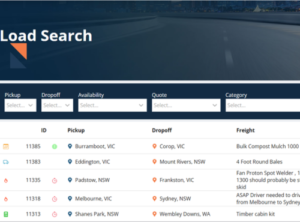
The best load board platforms offer advanced filters such as:
- Origin and destination
- Radius search
- Trailer or equipment type
- Weight
- Load age
- Broker preference
- Rate range
- Pickup date
These filters help users narrow results quickly and focus only on the loads that fit their operation. For logistics managers dealing with multiple trucks, good filters make dispatching faster and more organised.
A platform that saves time in searching often saves money in operations as well.
5. Mobile Access That Actually Works
Freight decisions do not happen only at a desk. Dispatchers, brokers, and drivers often need information while moving between calls, yards, depots, and customer sites. That is why mobile access matters.
Some platforms offer mobile apps, but not all of them work well in real conditions. A strong mobile setup should make it easy to search loads, review details, contact brokers, and manage bookings without confusion.
For startups, mobile access can support leaner operations because small teams often handle many tasks at once. For managers, it improves responsiveness and allows quicker decisions when plans change during the day.
A mobile tool should make work easier, not add another layer of difficulty.
6. Verified Users and Fraud Protection
Freight fraud is a serious concern in modern logistics. False identities, double brokering, and fake load postings can lead to major losses. That is why verification and fraud protection should never be treated as optional.
Reliable load board platforms invest in user screening, account verification, and risk monitoring. This helps create a safer environment for carriers, brokers, and fleet teams.
For freight startups, this adds protection at a stage when every load matters. For logistics managers, it reduces exposure to bad actors and supports a cleaner operating system.
A platform that takes trust seriously helps its users work with more confidence.
7. Easy Communication Tools
A load board should not only show freight. It should also support communication. Dispatch teams need a clear way to contact brokers, confirm load details, and move quickly while opportunities are still available.
Some platforms make communication smooth with built in messaging, direct calls, and quick contact options. Others make it clumsy, which slows down the booking process.
This feature matters because freight moves fast. If your team cannot reach the right contact quickly, another carrier may secure the load first. Better communication tools lead to quicker response times and fewer misunderstandings.
Speed matters, but clarity matters too. Good communication tools help both.
8. Route Planning Support
A load is only profitable when the full route makes sense. A decent rate can still become a weak choice if the route causes excessive empty miles, poor reload chances, or difficult timing.
Some load board platforms include route planning tools or location based search features that help teams think beyond a single trip. This is valuable for both startups and managers because it supports better trip building and stronger asset use.
When reviewing this feature, consider whether the platform helps answer questions like:
Can we find a reload near the destination
How far is the pickup from our truck
Does this lane support repeat movement
Are there nearby options if this load falls through
The more clearly a platform helps your team connect the route picture, the better the decisions will be.
9. Pricing That Matches Business Value
Price matters, but the cheapest platform is not always the best choice. A low monthly fee may look attractive, yet if the platform lacks quality loads or important data, it may cost more in the long run.
The real question is value. Does the platform provide enough benefit to justify the spend? For a startup, budget matters greatly, so it is wise to compare subscription cost with actual usability. For logistics managers, it helps to think in terms of return on use. If one platform supports faster booking, stronger rates, and safer broker selection, it may easily pay for itself.
Look at pricing with a practical mindset. A useful platform should help recover its own cost through better freight decisions.
10. Load Alerts and Matching Suggestions
Time is critical in freight. Many good loads disappear quickly. That is why load alerts and matching suggestions can be very useful.
Some platforms allow users to save searches, receive alerts for preferred lanes, or get recommendations based on past activity. These features reduce manual searching and help teams react faster to opportunities that fit their operation.
For a freight startup, this can improve consistency and reduce the need to monitor the screen all day. For logistics managers, it helps scale decision making across a busy schedule.
Matching tools should not replace judgment, but they can make the search process much more efficient.
11. Reporting and Operational Insight
As a business grows, it needs more than access to loads. It needs visibility into performance. Some load board platforms offer reporting features that show search trends, lane performance, load history, and booking patterns.
This kind of insight helps teams answer useful questions:
Which lanes are producing the best returns
Which brokers appear most often in our workflow
How quickly are loads being booked
Where are we wasting search time
For logistics managers, reporting supports better planning and stronger internal review. For startups, it helps identify what is working early so the business can build better habits from the start.
A platform with useful reporting becomes more than a load search tool. It becomes part of the decision system.
How to Compare Load Board Platforms in a Practical Way
Once you know what features matter, the next step is comparison. The smartest approach is not to choose based on brand familiarity alone. Instead, compare platforms through actual business needs.
Start with your operation. Think about:
- Your service region
- Your equipment type
- Your load frequency
- Your staffing setup
- Your monthly budget
- Your biggest pain points
Then score each platform against the eleven features above. A startup may place more weight on affordability, mobile access, and fraud protection. A logistics manager may place more weight on rate data, reporting, and route planning support.
This kind of comparison gives a clearer answer than relying on general reputation.
Common Mistakes When Choosing a Platform
Many freight businesses choose a platform too quickly and regret it later. One common mistake is focusing only on how many loads appear on the screen. Volume matters, but useless volume is still useless.
Another mistake is ignoring payment risk. A load board without reliable broker information can expose your team to serious cash flow problems.
Some businesses also choose a platform that is too complex for their workflow. More features do not always mean better value if the team finds them difficult to use.
A better approach is to choose a platform that fits how your people actually work each day.
Best Load Board Platforms for Freight Growth
Choosing among load board plataforms is one of the most important decisions a freight startup or logistics manager can make. The right platform can help reduce empty miles, support better rates, improve broker selection, and save hours of avoidable work. The wrong one can do the opposite.
By focusing on the eleven features in this guide, your team can compare options with more clarity and confidence. Look for active load volume, strong broker credit information, accurate rate data, advanced search tools, good mobile access, fraud protection, clear communication features, route support, fair pricing, smart alerts, and useful reporting. These are the features that can protect margins and support smarter freight decisions over time.
If your business wants to build stronger credibility online while growing in the freight and logistics space, a professional website can help present your services clearly and attract more opportunities. Visit LoadLink Connect Australia to learn how the right digital presence can support your brand. Contact us today to create a website that helps your freight business stand out.