Tips & Advice
Transportation management systems play a central role in modern freight operations. Across Australia, logistics managers are turning to transportation management systems to plan freight movements, control costs, and maintain visibility across complex transport networks. With freight volumes rising and delivery expectations tightening, many businesses now rely on these platforms to manage road transport more efficiently.
For companies that coordinate carriers, manage freight bookings, or oversee distribution across long distances, the right system can reshape daily operations. From route planning to freight matching and carrier communication, these tools give logistics teams stronger control over transport decisions. The following guide explains twelve types of systems that are changing how freight moves through Australian supply chains and why they matter for logistics managers.
How Transportation Management Systems Improve Freight Planning and Control
Freight operations have grown more complex over the past decade. Australian logistics managers often coordinate multiple carriers, long interstate routes, and tight delivery windows. Manual planning methods struggle to keep pace with this level of activity.
Transportation management systems bring structure to these challenges. They centralise shipment data, automate planning tasks, and connect businesses with transport providers through a single platform.
A well implemented system can help organisations:
- Reduce empty kilometres
- Improve delivery planning
- Track freight movements across networks
- Manage carrier performance
- Control freight costs
According to research from Gartner, transportation management platforms help companies reduce freight spend by improving route planning and carrier selection (Gartner Supply Chain Research).
For logistics managers handling large freight volumes, these improvements translate into measurable operational gains. According to the Australian Government Bureau of Infrastructure and Transport Research Economics, road freight accounts for a large share of national freight movement and continues to grow each year.
12 Transportation Management Systems Changing Freight Operations
1. Cloud Based Transportation Management Platforms
Cloud based platforms allow logistics teams to manage freight operations through a web interface without maintaining local software systems.
This model has become popular across Australia since it allows transport teams in different locations to access the same freight data.
Key advantages include:
- Centralised shipment management
- Real time data access
- Easier software updates
- Scalability for growing transport networks
Cloud systems are widely used by third party logistics providers, manufacturers, and freight brokers that operate across multiple regions.
2. Digital Freight Matching Platforms
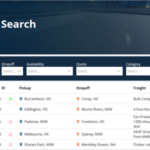
Digital freight matching systems connect available loads with transport carriers through an online marketplace.
Instead of relying on phone calls or email chains, logistics manager s can post loads and allow approved carriers to accept them through a digital platform.
These systems support:
- Faster load allocation
- Better use of carrier capacity
- Reduced empty truck movements
Platforms such as LoadLink Connect Australia operate in this space by helping carriers and freight operators connect quickly through digital load boards.
3. Route Optimisation Systems
Route optimisation tools analyse delivery locations, traffic patterns, and vehicle capacity to determine the most efficient delivery routes.
For logistics managers handling multi stop deliveries or long distance freight routes, route optimisation can reduce both fuel use and driver hours.
Typical capabilities include:
- Multi stop route planning
- Distance and time analysis
- Delivery schedule optimisation
- Vehicle capacity planning
Transport companies running metropolitan distribution networks often see strong efficiency gains from route optimisation tools.
4. Carrier Management Systems
Carrier management systems focus on organising relationships with freight carriers.
These platforms store carrier profiles, track service performance, and manage freight tenders.
Functions often include:
- Carrier onboarding and documentation
- Performance tracking
- Rate management
- Load tendering processes
This type of system helps logistics managers maintain reliable carrier networks and evaluate which transport partners deliver the best service outcomes.
5. Freight Visibility Platforms
Freight visibility systems provide real time updates on shipment status across the transport network.
Instead of relying on manual updates from drivers or transport companies, logistics managers can see where freight is located at any moment.
Visibility platforms often gather data from:
- GPS vehicle tracking
- Electronic logging systems
- Carrier updates
- Warehouse scanning systems
Improved visibility allows logistics teams to respond quickly to delays or disruptions.
According to a report by McKinsey & Company, real time freight visibility can reduce supply chain disruption costs and improve customer communication (McKinsey Logistics Insights).
6. Automated Freight Booking Systems
Freight booking systems simplify the process of scheduling transport with carriers.
Logistics managers can enter shipment details and the system automatically allocates suitable carriers based on predefined rules.
Benefits include:
- Faster booking workflows
- Reduced manual paperwork
- Consistent freight allocation
Companies moving large freight volumes often rely on these systems to handle daily shipment bookings efficiently.
7. Freight Cost Management Systems
Freight cost management tools focus on monitoring transport spending and identifying cost reduction opportunities.
These systems track freight invoices, calculate transport costs, and compare rates across different carriers.
Capabilities usually include:
- Freight rate comparison
- Invoice auditing
- Cost reporting
- Budget monitoring
For organisations with large freight budgets, this level of financial visibility helps prevent billing errors and supports stronger negotiation with carriers.
8. Warehouse Integrated Transportation Systems
Some transportation management platforms integrate directly with warehouse management systems.
This connection allows logistics teams to coordinate warehouse dispatch activities with transport planning.
Key outcomes include:
- Better alignment between warehouse loading schedules and vehicle arrivals
- Faster shipment processing
- Reduced waiting time for trucks at loading docks
Integration between warehouse operations and freight planning can significantly improve supply chain efficiency.
9. Multi Carrier Shipping Systems
Multi carrier systems allow businesses to manage shipments across multiple transport providers within one platform.
Instead of logging into several carrier portals, logistics managers can compare services and book shipments through a single interface.
These systems provide:
- Carrier service comparisons
- Automated carrier selection
- Shipment tracking across different transport providers
Retail and ecommerce businesses often rely on multi carrier platforms for parcel and pallet shipping.
10. Compliance and Documentation Systems
Transport operations involve a large amount of documentation including delivery records, freight manifests, and compliance reports.
Transportation management systems that handle documentation reduce administrative workload.
Common functions include:
- Digital freight documentation
- Electronic proof of delivery
- Regulatory compliance records
- Driver documentation tracking
Digital record management supports accurate reporting and reduces the risk of lost paperwork.
11. Predictive Freight Planning Systems
Predictive planning tools analyse historical shipment data to forecast future freight demand.
These systems help logistics managers anticipate transport capacity needs during busy periods.
Typical applications include:
- Seasonal freight demand forecasting
- Capacity planning for large projects
- Long term carrier planning
Predictive tools are increasingly used by large manufacturers and distributors to stabilise freight capacity during peak demand periods.
12. Integrated Freight Marketplace Systems
Integrated freight marketplaces combine several transportation management functions within one platform.
These systems often include load boards, carrier matching, freight booking, and shipment tracking.
For logistics managers, this approach reduces the need to operate multiple systems.
Platforms operating in this space support:
- Freight load posting
- Carrier discovery
- Load booking
- Transport communication
LoadLink Connect Australia works within this model by helping freight operators connect with verified carriers through a digital platform built for the Australian freight industry.
Choosing the Right Transportation Management System
Selecting the right platform requires a clear understanding of operational needs.
Logistics managers should assess several factors before implementing a transportation management system.
Freight Volume
Companies managing hundreds of shipments each week often benefit from automated planning tools and integrated freight booking systems.
Smaller businesses may only require a digital load board or carrier marketplace.
Carrier Network
Businesses that rely on multiple transport providers need systems that manage carrier relationships and rate comparisons.
This makes carrier management and multi carrier shipping features valuable.
Visibility Requirements
Organisations that move high value or time sensitive freight often require strong tracking and visibility tools.
Real time freight updates support better communication with customers and internal teams.
Integration With Existing Systems
Many companies operate warehouse management software, enterprise resource planning platforms, or inventory systems.
A transportation management system that integrates with these platforms will reduce manual data entry and improve operational accuracy.
Practical Benefits Logistics Managers Experience
When implemented properly, transportation management systems deliver measurable results.
Many logistics managers report improvements in several operational areas.
Improved Planning Accuracy
Automated route planning and freight booking tools reduce errors that occur with manual scheduling.
This leads to better delivery reliability.
Reduced Transport Costs
Systems that compare carrier rates and optimise routes often lower overall freight spending.
Even small improvements across hundreds of shipments can produce large cost savings.
Stronger Carrier Relationships
Centralised carrier management helps logistics teams track service performance and communicate more effectively with transport providers.
Greater Operational Visibility
Real time tracking and shipment dashboards give logistics managers clear insight into freight movements across the network.
This improves decision making during disruptions or delays.
The Growing Role of Digital Freight Platforms in Australia
Australia’s freight network spans large distances and relies heavily on road transport. Managing this network requires strong coordination between freight owners and carriers.
Digital freight platforms are becoming a core part of the transport industry as companies look for faster ways to connect loads with available trucks.
Freight load boards and digital matching systems help reduce empty truck kilometres, which remain a significant challenge across the industry.
According to the Australian Government Bureau of Infrastructure and Transport Research Economics, road freight accounts for a large share of national freight movement and continues to grow each year (BITRE Freight Statistics).
As freight volumes increase, technology platforms that improve carrier utilisation will play a larger role in keeping freight networks efficient.
How LoadLink Connect Australia Can Support Your Freight Operations
Transportation management systems continue to shape how logistics managers plan, track, and optimise freight movements. From digital freight matching platforms to route planning tools and carrier management systems, these technologies help organisations operate more efficiently across Australia’s complex transport network.
LoadLink Connect Australia supports freight operators, carriers, and logistics businesses through a digital freight platform designed for the Australian market. By connecting available loads with reliable carriers, the platform helps transport businesses move freight faster and reduce empty capacity.
If your organisation is looking to improve freight coordination, strengthen carrier connections, or simplify load management, contact us to learn how the platform can support your transport operations.