Tips & Advice
Digital freight is reshaping how transport companies move goods across the country, and the rise of the online freight marketplace is playing a major role in that change. In Australia, carriers, freight brokers, and logistics managers are turning to digital platforms to find loads faster, reduce empty kilometres, and manage freight operations with more control.
For many transport businesses, especially owner drivers and small carriers, an online freight marketplace provides a practical way to access new freight opportunities without relying only on traditional broker relationships. From moving agricultural goods in regional Queensland to handling construction materials across Victoria, these platforms are helping connect freight supply and truck capacity across Australia’s vast road network.
What Is an Online Freight Marketplace
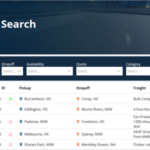
An online freight marketplace is a digital platform that connects freight shippers with transport providers. It works as a central system where loads are posted and carriers can search for available freight that matches their routes, truck type, or schedule.
Instead of spending hours on phone calls or emails to locate loads, transport businesses can log in, review available freight jobs, and accept transport requests in real time.
In Australia this approach is becoming more valuable due to the long distances between major freight hubs such as Brisbane, Sydney, Melbourne, Adelaide, and Perth. Digital freight platforms allow carriers to find return loads, which helps reduce empty truck movements on interstate routes.
Why Digital Freight Platforms Are Growing Across Australia
Australia has one of the largest road freight networks in the world. According to the Bureau of Infrastructure and Transport Research Economics, road freight accounts for around three quarters of Australia’s domestic freight task each year, highlighting how heavily the country relies on efficient transport systems.
This creates several challenges for carriers and freight managers:
- Long distance routes between cities
- Regional freight demand that changes seasonally
- Rising fuel costs
- Limited visibility of available loads
An online freight marketplace helps address these issues by improving freight visibility. Shippers can post loads instantly and carriers can see available transport work across different regions.
For example, a refrigerated transport operator based in Brisbane might deliver produce to Sydney and then use a freight marketplace to locate a return load heading back to Queensland.
Key Benefits of Using an Online Freight Marketplace
Faster Access to Freight Jobs
Traditional freight matching often relies on phone calls or existing relationships. Digital freight platforms allow carriers to view available loads immediately.
This is particularly helpful for smaller transport businesses that want to expand their freight opportunities without investing heavily in sales or brokerage networks.
Reduced Empty Kilometres
Empty backhaul trips are a major cost in the Australian trucking industry. A truck travelling from Melbourne to Adelaide without a return load loses both time and fuel.
Freight marketplaces allow carriers to search for loads along their return routes, which helps improve fleet efficiency and profitability.
Better Freight Visibility
Freight brokers and shippers can also benefit from better visibility. By posting loads on a digital platform, they can quickly reach a large network of available carriers.
This reduces delays in freight allocation and improves supply chain reliability.
Improved Planning for Regional Freight
Many industries in Australia operate in regional areas, including agriculture, mining, and construction. Freight demand in these sectors can fluctuate depending on seasonal conditions or project timelines.
An online freight marketplace allows transport operators to monitor freight demand in these areas and plan routes accordingly.
The Number 1 Online Freight Marketplace Supporting Australian Logistics
LoadLink Connect Australia
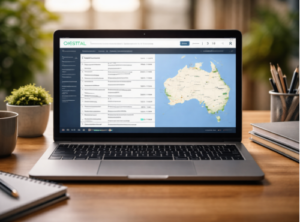
LoadLink Connect Australia is designed to help carriers and freight operators find transport opportunities across the country. The platform focuses on connecting freight demand with available truck capacity through a simple digital interface.
Transport businesses can view loads posted by freight customers and respond quickly to available work. This is particularly useful for carriers operating interstate routes between major cities.
Why Freight Marketplaces Matter for Australian Supply Chains
Freight demand in Australia continues to grow as industries expand and online retail increases transport requirements.
Digital freight marketplaces help improve supply chain coordination by making freight demand visible to a la
rger pool of carriers.
This improves efficiency in several ways:
- Faster load allocation
- Better truck utilisation
- Reduced empty travel
- Greater transparency for freight customers
For industries that rely heavily on road transport such as agriculture, construction, and retail distribution, these improvements can significantly reduce logistics costs.
Practical Example of Freight Matching in Australia
Consider a carrier based in Toowoomba operating a flatbed truck.
The operator delivers building materials to a construction project in Newcastle. Instead of returning empty to Queensland, the driver uses an online freight marketplace to locate a return load.
The platform shows available freight transporting agricultural equipment from Tamworth back to Brisbane.
By accepting that load, the driver avoids an empty return trip and earns additional revenue on the return journey.
This type of freight matching is exactly why digital freight platforms are becoming more popular across the Australian transport sector.
Challenges to Consider When Using Digital Freight Platforms
While freight marketplaces offer many benefits, carriers should also consider a few potential challenges.
Rate Competition
Because multiple carriers may see the same load listings, there can sometimes be strong price competition. Transport companies need to ensure they are quoting rates that cover fuel, labour, and operational costs.
Platform Dependence
Carriers should avoid relying entirely on one digital platform. Maintaining relationships with brokers and direct freight customers remains important.
Load Quality and Reliability
Not every posted load will suit every transport business. Carriers should review load details carefully before accepting work to ensure it fits their fleet capabilities.
The Future of Digital Freight in Australia
Technology continues to shape the future of the Australian logistics industry. As more freight customers adopt digital platforms, freight visibility and matching efficiency will improve.
New technologies such as real time freight tracking, automated dispatch systems, and transport analytics are already being integrated into many freight marketplaces.
These developments are expected to help carriers plan routes more effectively and reduce operational costs across the industry.
Find Smarter Freight Opportunities with LoadLink Connect Australia
Digital freight matching is quickly becoming an essential tool for carriers and logistics operators across Australia. Using an online freight marketplace allows transport businesses to find loads faster, reduce empty kilometres, and manage freight operations more efficiently.
LoadLink Connect Australia provides a powerful platform that connects freight customers with transport providers across the country. Whether you are an owner driver looking for return loads or a logistics manager searching for reliable carriers, the platform offers a practical solution for modern freight operations.
To learn more about how digital freight matching can support your transport business, visit LoadLink Connect Australia and contact us today to explore available freight opportunities across Australia.