Tips & Advice
Agricultural equipment keeps farms running, yet moving that equipment between properties, dealers, and job sites can be complicated. Tractors, harvesters, seeders, and irrigation machinery are large, heavy, and often urgently required. Agricultural producers and farm suppliers need freight services that are dependable rather than improvised. Modern carrier tools and organised haulage options now make farm equipment freight safer and more predictable across Australia.
Why Agricultural Freight Is Different
Farm machinery is not standard cargo. Each item has unique dimensions, weight distribution, and loading requirements. A combine harvester demands a different approach from a quad bike or a grain auger. Rural pickup locations may include narrow gates, unsealed roads, and limited turning space.
Seasonal pressure adds another challenge. During planting or harvest, delays of even a day can affect yields and income. Freight solutions must understand these realities instead of treating agricultural equipment like ordinary pallets.
According to the Australian Bureau of Agricultural and Resource Economics and Sciences, Australia has approximately 85,000 agricultural businesses, all of which rely on machinery and equipment to operate efficiently across vast regional areas.
Matching the Right Trailer to the Job
Safe transport begins with the correct trailer. Low loaders suit heavy tractors, drop decks handle tall implements, and tilt trays assist with non-running machinery. Choosing the wrong equipment risks damage and wasted time.
Access to a broad carrier network helps producers find the exact haulage option required. LoadLink connects users with transport providers who already operate the appropriate trailers, removing guesswork from the booking process.
Accurate Information Prevents Problems
Most freight issues start with incomplete details. Precise measurements, operating weight, and photos of the equipment are essential. Information about loading facilities, such as forklifts or ramps, must also be shared early.
Carrier tools that collect these details in one place improve accuracy. When everyone works from the same facts, quotes become reliable and drivers arrive prepared for the real conditions on site.
Protecting Machinery in Transit
Agricultural machinery represents a major investment. Secure tie-down methods, correct axle weights, and weather protection are necessary to prevent damage. Moving parts should be locked, and loose accessories removed before loading.
Experienced carriers understand these precautions. Using professional services through LoadLink helps ensure that equipment reaches the destination in the same condition it left the farm.
Planning for Oversize Loads
Many implements exceed standard road dimensions. Headers, sprayers, and wide cultivators may require permits, pilot vehicles, or travel time restrictions. Planning these requirements in advance avoids expensive last-minute changes.
Digital freight platforms make it easier to identify oversize needs at the quoting stage. Producers and suppliers gain realistic timelines instead of promises that cannot be kept.
Rural Access Considerations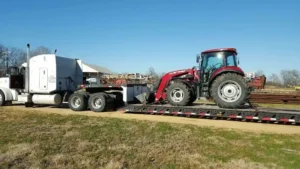
Farm pickups rarely resemble warehouse docks. Soft ground, tight gateways, and livestock movement all affect how a truck can load. Communicating these conditions helps carriers choose suitable vehicles and approach routes.
A well-organised freight system records access notes for future moves. This knowledge becomes valuable when equipment must be shifted again between the same properties.
Supporting Seasonal Demand
Agriculture operates on tight windows. When rain arrives or a contract begins, machinery must move quickly. Relying on a small list of contacts can leave producers stranded during peak periods.
A larger carrier network provides options even when demand is high. LoadLink allows users to reach available transport providers across different regions, improving the chance of securing urgent haulage.
Benefits for Agricultural Producers
For farmers, reliable freight means less downtime and better planning. Equipment can be relocated between paddocks or properties without disrupting operations. Purchasing machinery from distant dealers becomes practical when transport is easy to arrange.
Transparent pricing also assists budgeting. Knowing freight costs in advance helps producers compare machinery options based on total ownership rather than purchase price alone.
Benefits for Farm Suppliers and Dealers
Suppliers often need to deliver new equipment to customers or reposition stock between branches. Coordinating these moves internally consumes valuable staff time.
Using organised carrier tools simplifies the process. Sales teams can focus on customers while transport arrangements occur through a consistent system that keeps everyone informed.
Insurance and Risk Management
Agricultural freight involves public roads, valuable assets, and sometimes hazardous attachments. Adequate insurance and professional handling are essential. Documenting condition before and after transport protects all parties.
Digital records of photos, permits, and delivery confirmations create a clear audit trail. This approach reduces disputes and builds confidence between buyers, sellers, and carriers.
Preparing Equipment for Transport
Simple preparation steps make every move smoother. Cleaning mud from tracks reduces weight and prevents road debris. Folding booms, removing GPS screens, and securing doors prevent transit damage.
Providing clear contact details for both pickup and delivery sites avoids delays on the day. LoadLink supports the sharing of these instructions so carriers arrive ready to work.
Environmental and Efficiency Gains
Well-planned freight reduces unnecessary kilometres and fuel consumption. Combining loads or selecting the closest suitable carrier lowers the environmental impact of moving machinery.
Efficient scheduling also limits waiting time for drivers and farmers alike. These small improvements across many jobs create meaningful savings for the agricultural sector.
Technology in Modern Haulage
Carrier tools have transformed how farm equipment is moved. Online quoting, document storage, and real-time communication replace long chains of phone calls. Producers can compare options quickly and choose based on service quality.
This technology does not remove the need for skilled drivers, but it supports them with better information. The result is safer and more reliable transport across long Australian distances.
Building Long-Term Relationships
Freight works best when producers, suppliers, and carriers cooperate over time. Repeated successful moves create understanding of specific machines and properties. Trust grows, and future jobs become easier to organise.
LoadLink encourages these connections by bringing the right people together on a consistent platform rather than treating each shipment as an isolated event.
Common Mistakes to Avoid
Underestimating weight is a frequent error that leads to unsuitable trailers. Ignoring height with folded attachments can create route problems. Another mistake is expecting immediate pickup during peak seasons without prior booking.
Using structured freight services helps prevent these issues. Clear checklists and experienced carriers reduce the chance of unpleasant surprises.
From Quote to Delivery
A reliable process follows simple steps. Equipment details are entered once, suitable carriers respond with options, and permits are arranged where required. Pickup is confirmed, progress communicated, and proof of delivery recorded.
This straightforward workflow gives agricultural businesses control instead of confusion, even when moving complex machinery.
The Future of Farm Equipment Freight
As farms become more mechanised, the need for professional haulage will continue to grow. Digital tools combined with regional carrier networks offer a practical solution for Australia’s vast distances.
Producers and suppliers who adopt organised freight methods will gain flexibility to buy, sell, and operate equipment wherever opportunities arise.
Agricultural equipment freight must be safe, efficient, and responsive to the realities of rural Australia. With the right haulage options and modern carrier tools, producers and farm suppliers can move machinery without stress or uncertainty.
If you need a dependable way to organise farm equipment transport and connect with experienced carriers, LoadLink can help you arrange agricultural freight services that protect your machinery and keep your operations moving forward.
FAQs
1. How is agricultural equipment transported in Australia?
Agricultural equipment is transported using specialised trailers such as low loaders, drop decks, and tilt trays. The trailer type depends on the machinery’s size, weight, and loading requirements, along with rural access conditions.
2. Do farm machines require oversize permits for road transport?
Yes. Many large implements, including harvesters, sprayers, and wide cultivators, exceed standard road limits and require oversize permits, approved routes, and sometimes pilot vehicles depending on state regulations.
3. What information is needed to arrange farm equipment freight?
Accurate dimensions, operating weight, photos of the machinery, and details about pickup and delivery access are essential. Information about loading equipment, such as ramps or forklifts, also helps carriers prepare properly.
4. How can farmers reduce risk during machinery transport?
Farmers can reduce risk by cleaning equipment, folding attachments, securing loose parts, confirming accurate measurements, and using experienced carriers with proper insurance and load restraint procedures.
5. Why use a digital freight platform for agricultural haulage?
A digital freight platform like LoadLink connects producers and suppliers with a wider carrier network, simplifies quoting and booking, improves communication, and provides better visibility from pickup to delivery.