Tips & Advice
Oversized and heavy load transport sits at the most demanding end of the freight industry. Moving cranes, mining components, industrial tanks, and large construction machinery requires far more than a standard truck booking. Equipment movers and freight planners must balance safety, permits, routes, and specialised vehicles while keeping projects on schedule. LoadLink provides heavy load solutions that bring structure and reliability to these complex transport requirements.
What Makes Heavy Load Transport Complex
Heavy machinery freight rarely fits within normal road limits. Width, height, weight, and length can all exceed legal dimensions. Bridges, roundabouts, power lines, and road surfaces influence whether a load can travel at all.
Each move becomes a small project rather than a simple delivery. Planning must consider escort vehicles, travel time restrictions, and safe loading methods. Without an organised approach, these factors quickly cause delays and cost overruns.
The Australian Government highlights that freight transport plays a critical role in supporting national supply chains and economic activity, ensuring essential equipment, machinery, and construction components can move efficiently across the country
The Importance of Early Transport Planning
Successful heavy haulage begins long before a truck arrives. Accurate measurements, centre of gravity, and lifting points must be known in advance. Freight planners need to match this information with suitable trailers and routes.
LoadLink supports early planning by connecting movers with carriers experienced in oversized work. Instead of reacting to problems on the day, teams can evaluate options and timelines before commitments are made.
Choosing the Right Equipment
Not all heavy loads require the same transport equipment. Low loaders, platform trailers, modular trailers, and extendable decks each serve different purposes. Some projects need hydraulic suspension or self-propelled units.
Selecting the correct configuration affects both safety and price. A trailer that is too small creates risk, while one that is unnecessarily large increases cost. LoadLink helps identify carriers with the exact capability required for each job.
Route Surveys and Access Checks
A planned route on a map may not suit a heavy load in reality. Overhanging trees, steep driveways, and weak culverts can block passage. Professional route surveys reveal these issues before the move begins.
Equipment movers using LoadLink can work with carriers who understand local conditions. Sharing photos and site details through digital tools ensures that everyone sees the same constraints.
Permits and Regulatory Compliance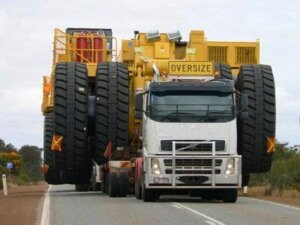
Oversized transport is tightly regulated across Australia. Permits specify approved routes, travel times, and escort requirements. Failure to comply can lead to fines or the load being stopped on the road.
Freight planners must manage this paperwork accurately. LoadLink connects users with operators familiar with the permit process, reducing administrative stress and helping projects stay legal.
Safety as the First Priority
Heavy machinery freight carries significant risk if handled poorly. Correct load restraint, weight distribution, and driver expertise are essential. Even minor mistakes can damage expensive equipment or endanger other road users.
Professional carriers within the LoadLink network follow established safety procedures. Choosing providers based on competence rather than convenience protects everyone involved.
Coordinating Multiple Stakeholders
Large projects often involve manufacturers, site managers, crane crews, and transport operators at the same time. Clear communication between these parties determines whether the schedule succeeds.
Digital freight tools allow all participants to access the same information. Pickup instructions, contact details, and timing updates remain in one place instead of scattered across emails.
Managing Time-Sensitive Moves
Construction and mining projects depend on precise sequencing. A single delayed component can halt an entire site. Heavy load transport must therefore be reliable as well as safe.
LoadLink gives planners access to a wide range of carriers, increasing the chance of meeting tight deadlines. Alternative options are available when weather or equipment issues affect the original plan.
Protecting High-Value Assets
Industrial machinery and structural components represent major investments. Damage during transport can cost far more than the freight itself. Proper padding, securing, and weather protection are critical.
Using experienced heavy haul specialists through LoadLink helps maintain asset value. Detailed documentation before and after the move also supports insurance requirements.
Cost Control Without Compromise
Complex transport can become expensive quickly. Escort vehicles, permits, and specialised trailers add to the base rate. Freight planners need transparent pricing to make informed decisions.
LoadLink allows comparison of suitable options so cost can be balanced with service quality. The goal is efficient spending rather than the lowest headline price.
Preparing Loads for Transport
Good preparation reduces risk and delay. Removing loose attachments, locking articulation points, and confirming lifting arrangements all contribute to a smooth operation. Accurate weight certificates and drawings are equally important.
LoadLink supports the exchange of these documents so carriers arrive with a full understanding of the task ahead.
Environmental Considerations
Heavy haulage consumes significant fuel. Careful route planning and load consolidation reduce unnecessary kilometres. Choosing carriers already operating in the region also lowers emissions.
Efficient logistics benefit both the environment and project budgets, making responsible planning an important part of modern freight.
Building Long-Term Partnerships
Equipment movers achieve better results when they work with trusted carriers repeatedly. Familiarity with specific machinery and sites speeds up future jobs and reduces risk.
LoadLink encourages these ongoing relationships by connecting reliable providers with planners who value professional standards.
Common Pitfalls to Avoid
Underestimating dimensions remains the most frequent mistake. Another is assuming that any low loader can handle any machine. Ignoring site access or power line clearance also leads to expensive re-planning.
Structured processes and experienced carriers help avoid these traps. LoadLink provides the framework for accurate information from the beginning.
From Request to Delivery
A well-managed heavy load follows a clear sequence. Requirements are recorded, suitable carriers respond, routes and permits are confirmed, and the load moves with regular updates. Proof of delivery completes the record.
This organised workflow replaces the confusion that often surrounds complex transport tasks.
The Value of Digital Freight for Heavy Loads
Technology has changed expectations in the industry. Equipment movers and freight planners now need fast responses and clear visibility. Digital freight systems meet these expectations while still relying on skilled operators on the ground.
LoadLink combines online efficiency with real-world expertise, giving planners the best of both worlds.
Oversized and heavy load transport will always involve challenges, yet those challenges can be managed with the right planning and partners. Clear information, compliant processes, and access to specialised carriers turn complex moves into controlled operations.
If you need dependable support for heavy machinery freight and detailed transport planning, LoadLink can help you manage complex requirements with confidence, connecting you to the carriers and tools that keep large projects moving safely and on time.
FAQs
1. What qualifies as oversized or heavy load transport?
Oversized or heavy load transport refers to machinery or equipment that exceeds standard road limits for width, height, length, or weight. Examples include cranes, mining components, industrial tanks, and large construction equipment that require specialised trailers and permits.
2. Do heavy loads require special permits in Australia?
Yes. Oversized and heavy loads typically require government permits that specify approved routes, travel times, escort vehicle requirements, and safety conditions. Regulations vary by state and load dimensions.
3. What equipment is used for heavy machinery freight?
Heavy machinery freight may use low loaders, modular trailers, platform trailers, extendable decks, or hydraulic suspension systems depending on the size, weight, and configuration of the load.
4. Why is route planning important for heavy haulage?
Route planning identifies obstacles such as bridge limits, roundabouts, overhead power lines, steep access points, and road surface restrictions. Proper planning prevents delays, fines, and safety risks during transport.
5. How can digital freight platforms improve heavy load transport?
Digital freight platforms like LoadLink connect freight planners with specialised carriers, streamline permit coordination, improve communication between stakeholders, and provide better visibility from booking to delivery.