Tips & Advice
Moving heavy machinery is never a simple task. Excavators, loaders, forklifts, and agricultural equipment require specialised transport, careful planning, and dependable carriers. For plant hire companies and freight brokers, the challenge is finding a service that connects the right vehicle with the right job at the right time. LoadLink streamlines this process by bringing machinery shipping, carrier networks, and transport services together in one practical solution.
The Real Challenges of Machinery Shipping
Machinery is expensive, oversized, and often urgently needed on site. Unlike standard freight, heavy equipment cannot be placed on any truck and sent on its way. Weight limits, loading methods, permits, and route restrictions all affect how a machine can be moved.
According to the Australian Bureau of Statistics, the construction industry contributes more than $360 billion annually to Australia’s economy, reflecting the enormous scale of projects that depend on reliable machinery transport every day.
Plant hire businesses frequently face tight deadlines when customers extend projects or request additional equipment. Freight brokers must coordinate multiple parties while keeping costs under control. Without a reliable system, these situations quickly become stressful and costly.
Connecting With the Right Carrier Network
A strong carrier network is the backbone of successful machinery haulage. Different machines require different trailers, from low loaders to tilt trays and drop decks. Access to a broad network ensures that the correct equipment is available rather than relying on a small list of contacts.
LoadLink provides access to carriers experienced in transporting heavy and awkward loads. Instead of making dozens of phone calls, users can connect with suitable transport providers quickly. This saves time and reduces the risk of choosing a carrier that is not properly equipped.
Simplifying Quotes and Bookings
Traditional machinery transport often involves long email chains and repeated explanations of the same details. Dimensions, weight, pickup points, and site access must be described again and again. This slows down decision making and increases the chance of mistakes.
A clear booking process allows plant hire companies and brokers to enter the information once and receive accurate options. Transparent pricing and availability help businesses compare choices based on service level rather than guesswork.
Reliability Matters More Than Price Alone
The cheapest quote is rarely the best choice for machinery haulage. Late deliveries can stop entire projects, leaving crews and clients waiting. Damage during transport creates insurance claims and unhappy customers.
Reliable carriers understand how to secure loads, communicate delays, and follow safe procedures. LoadLink focuses on connecting users with transport services that value professionalism as much as price, protecting reputations on both sides of the job.
Visibility From Pickup to Delivery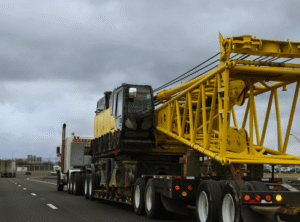
Knowing where machinery is during transit provides peace of mind. Plant hire companies need to inform their customers when equipment will arrive on site. Freight brokers must keep multiple stakeholders updated throughout the journey.
Modern transport services offer tracking and clear communication so everyone stays informed. This visibility reduces phone calls and prevents misunderstandings when schedules change.
Supporting Urgent and Planned Moves
Some machinery moves are planned weeks ahead, while others are required the same day. A flexible system must handle both situations. Access to a wide carrier network means urgent jobs can still find available transport without paying extreme premiums.
For scheduled projects, early booking secures better rates and preferred delivery times. LoadLink supports both approaches, giving businesses control rather than forcing them into one rigid process.
Safety and Compliance Considerations
Heavy machinery transport involves strict safety rules. Overweight loads, improper tie-down, or unsuitable trailers can lead to serious incidents and fines. Professional carriers follow guidelines for load restraint, permits, and route planning.
Using a service that understands these requirements protects plant hire companies and brokers from unnecessary risk. Compliance should be built into the transport process rather than treated as an afterthought.
Reducing Administration for Brokers
Freight brokers manage many shipments at once. Chasing paperwork, proof of delivery, and invoices can consume valuable hours. A streamlined platform reduces this administrative burden.
Central records of bookings and communications make it easier to serve clients professionally. Brokers can focus on growing relationships instead of managing spreadsheets and emails.
Helping Plant Hire Companies Serve Customers Better
For plant hire businesses, transport is part of the overall customer experience. When machinery arrives on time and in good condition, clients trust the hire company and return for future projects.
Reliable haulage through LoadLink allows hire companies to promise realistic delivery windows and respond confidently to last-minute requests. Transport becomes a strength rather than a constant worry.
Building Long-Term Partnerships
Machinery shipping works best when carriers, brokers, and equipment owners cooperate over time. Repeated successful moves create understanding of specific sites, access issues, and preferred methods.
LoadLink encourages these long-term relationships by making it easy to reconnect with dependable transport providers. Consistency leads to smoother operations for everyone involved.
Practical Steps for Better Haulage
Clear information improves every shipment. Providing accurate dimensions, operating weight, and site contact details helps carriers prepare correctly. Photos of pickup and delivery locations prevent surprises.
Planning loading equipment such as ramps or cranes in advance also avoids delays. LoadLink supports this practical approach by keeping all details in one organised place.
The Future of Machinery Transport
The freight industry continues to evolve with digital tools and wider networks. Plant hire companies and brokers expect faster responses and better visibility than ever before. Systems that simplify complex logistics will become essential rather than optional.
LoadLink represents this direction by turning machinery haulage into a straightforward process instead of a daily challenge.
Machinery freight does not need to be complicated or stressful. With the right carrier network, clear communication, and reliable transport service, plant hire companies and freight brokers can move equipment with confidence. Efficient haulage keeps projects on schedule and customers satisfied.
If you want a simpler way to manage machinery shipping and connect with proven carriers, LoadLink can help make every move straightforward, reliable, and easy to organise.
FAQs
1. How is heavy machinery transported in Australia?
Heavy machinery is transported using specialised trailers such as low loaders, tilt trays, drop decks, and extendable trailers. The method depends on the machine’s size, weight, and site access requirements, along with state permit regulations.
2. What information is required to book machinery transport?
Accurate dimensions (length, width, height), operating weight, pickup and delivery addresses, site contact details, and loading requirements are essential. Providing photos of access points can also help carriers prepare properly.
3. Do oversized machines require special permits?
Yes. Machinery that exceeds standard road limits for width, height, or weight often requires oversize permits, route approvals, and sometimes escort vehicles depending on state regulations.
4. How can plant hire companies ensure reliable machinery delivery?
Working with experienced carriers, providing complete job details upfront, and using a structured booking system like LoadLink helps ensure machinery arrives safely and on time without unexpected delays.
5. Why use a digital freight platform for machinery haulage?
A digital freight platform connects plant hire companies and freight brokers with a wider carrier network, simplifies quotes and bookings, improves visibility during transit, and reduces administrative workload.