Tips & Advice
Moving boats across the country requires more than a standard freight service. Yachts, cruisers, fishing vessels, and personal watercraft all have unique shapes and handling needs. Yacht brokers and marine transport operators must coordinate permits, specialised trailers, and experienced drivers to complete each job safely. LoadLink brings these elements together through a practical digital freight approach that simplifies marine transport from booking to delivery.
The Complexity of Marine Transport
Boats are not uniform cargo. Heights, beam width, and delicate fittings create challenges that ordinary freight does not face. Radar arches, flybridges, and keels require careful preparation before any journey begins. Roads, bridges, and access points also influence how a vessel can be moved.
According to the Australian Bureau of Statistics, Australia has more than 2.5 million registered recreational boats, reflecting the scale of marine ownership and the ongoing demand for reliable vessel transport across states.
Traditional methods often rely on phone calls to a small circle of contacts. This limits options and can delay urgent moves. A broader freight network gives yacht brokers and operators access to carriers with the correct equipment and experience, reducing the risk of last-minute problems.
Matching Boats With Suitable Carriers
Every vessel needs a trailer designed for its hull shape and weight. Some boats require hydraulic trailers, others need low loaders or cradle systems. Using the wrong setup risks damage and insurance complications.
LoadLink connects users with carriers who specialise in marine freight. Instead of guessing which provider can handle a particular vessel, brokers can view options that match the technical requirements. This targeted approach saves time and protects the asset being transported.
Clear Communication Through Digital Freight
Marine transport involves many details. Pickup marinas, ramp access, mast removal, and delivery time windows must all be explained accurately. Digital freight tools allow this information to be recorded once and shared with the chosen carrier.
When everyone works from the same details, misunderstandings decrease. Yacht brokers can focus on serving clients rather than repeating information across multiple emails and calls.
Managing Oversize and Permit Requirements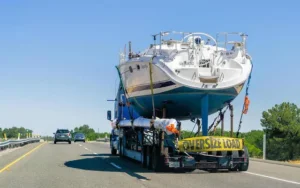
Larger vessels often fall into oversize categories. These moves require route planning, pilot vehicles, and government permits. Delays in paperwork can postpone an entire project.
A coordinated system helps operators identify these needs early. Carriers within the LoadLink network understand local regulations and can advise on realistic timelines, keeping customers informed from the start.
Protecting Valuable Assets
Boats represent significant investments and personal value. Owners expect professional handling at every stage. Secure tie-down methods, weather protection, and careful loading are essential.
Access to reputable carriers through LoadLink supports this level of care. Choosing transport providers based on capability rather than convenience protects both the vessel and the reputation of the broker arranging the move.
Visibility From Marina to Marina
Clients regularly ask where their boat is and when it will arrive. Providing clear updates builds trust and reduces anxiety. Modern freight processes offer tracking and direct communication so yacht brokers can answer questions confidently.
This visibility also helps marine operators coordinate lifting equipment and storage at the destination, avoiding unnecessary waiting time.
Supporting Urgent Relocations
Weather events, auction purchases, and last-minute sales often create urgent transport needs. Searching for a suitable carrier under pressure can be difficult when relying on traditional contacts.
A wide freight network allows faster responses. LoadLink gives brokers access to available transport options even at short notice, helping them secure moves that might otherwise be lost.
Loading Methods for Different Vessel Types
Not all boats are loaded the same way. Trailer boats may be winched directly from ramps, while large yachts often require travel lifts or cranes. Sailboats with deep keels need specialised supports to remain stable on the road.
Understanding these methods is important for accurate quoting. Carriers connected through LoadLink are familiar with the requirements of different vessel classes and can advise on the safest approach before the job begins.
Insurance and Risk Management
Marine transport involves multiple risk points, including lifting, road vibration, and weather exposure. Comprehensive insurance coverage is essential for peace of mind.
Using experienced carriers reduces the likelihood of claims, yet proper documentation remains vital. Digital records of condition reports, photos, and delivery confirmations create a clear history if questions arise later.
Interstate Route Considerations
Moving boats between states introduces additional planning. Bridge heights, escort vehicle rules, and travel time restrictions vary across regions. A route that suits one trailer may be impossible for another.
LoadLink helps brokers connect with operators who already understand these regional differences. This knowledge shortens planning time and avoids unexpected detours.
Common Failure Points in Marine Freight
Most transport problems occur for predictable reasons. Incorrect measurements lead to unsuitable trailers. Poorly secured covers tear in transit. Lack of access information prevents trucks from entering marinas.
By collecting accurate details at the start, these issues can be prevented. A structured system encourages thorough preparation rather than rushed arrangements.
From Quote to Delivery Workflow
A smooth marine move follows clear steps. First, the vessel details and locations are recorded. Next, suitable carriers provide options and pricing. After booking, pickup arrangements and permits are confirmed. Finally, the boat is transported with regular updates until handover.
LoadLink supports each stage, keeping information in one place so nothing is overlooked.
Benefits for Yacht Brokers
For yacht brokers, transport is part of the customer experience. A smooth delivery strengthens the sale, while delays reflect poorly on the brokerage. Having a dependable system to arrange marine freight adds value to the service offered to boat owners.
By simplifying quotes and bookings, LoadLink enables brokers to focus on negotiations and client relationships instead of logistics administration.
Benefits for Marine Transport Operators
Transport operators also gain from a central platform. Access to consistent work opportunities and accurate job information reduces empty runs and wasted time. Clear specifications help operators prepare the right equipment before arriving on site.
Stronger connections between operators and brokers encourage long-term partnerships rather than one-off transactions.
Preparing Boats for Road Transport
Good preparation speeds up every move. Removing loose items, securing covers, and confirming accurate measurements prevent problems on the day of pickup. Photographs of the vessel and access points help carriers plan correctly.
LoadLink supports the exchange of this information so that both sides understand expectations before the truck arrives.
Environmental and Efficiency Considerations
Combining digital freight with established carrier networks improves efficiency. Better route planning reduces unnecessary kilometres and fuel use. Coordinated scheduling also limits waiting time at marinas and boatyards.
These improvements benefit not only businesses but also the wider marine community by reducing the environmental footprint of transport.
Building Trust in Marine Logistics
Boat owners often feel anxious about road transport because it happens outside their view. Transparent processes and professional communication are the best ways to overcome that concern.
A system that links experienced carriers with clear information builds confidence for everyone involved, from first-time buyers to commercial fleet owners.
Marine and boat transport demands specialised knowledge, reliable carriers, and accurate coordination. Yacht brokers and marine operators need a solution that simplifies these tasks without sacrificing safety or professionalism. Digital freight tools combined with a strong carrier network make nationwide moves more predictable and efficient.
If you want a practical way to organise marine transport and connect with proven providers, LoadLink can help you manage every step from quote to delivery with confidence and ease.
FAQs
1. How are boats transported interstate in Australia?
Boats are transported interstate using specialised marine trailers such as hydraulic trailers, low loaders, or cradle systems. Larger vessels may require oversize permits, pilot vehicles, and route planning to comply with state regulations.
2. What information is needed to transport a yacht or boat?
Accurate measurements including length, beam width, height, weight, keel depth, and pickup/delivery locations are required. Details about marina access, lifting equipment, and mast removal may also be necessary.
3. Do boats require oversize permits for road transport?
Yes, many larger boats exceed standard road dimensions and require oversize permits. These permits may include route approvals, escort vehicles, and restricted travel times depending on state regulations.
4. How is a boat prepared for road transport?
Preparation includes removing loose items, securing covers, protecting delicate fittings, confirming measurements, and organising lifting equipment if required. Condition reports and photographs are often completed before loading.
5. Why use a digital freight platform for marine transport?
A digital freight platform like LoadLink connects yacht brokers and marine operators with specialised carriers, simplifies quoting and booking, improves communication, and reduces delays caused by incomplete information or limited carrier access.