Tips & Advice
Move Heavy Without the Headache
Avoid Costly Mistakes When Transporting Oversized Freight in Australia
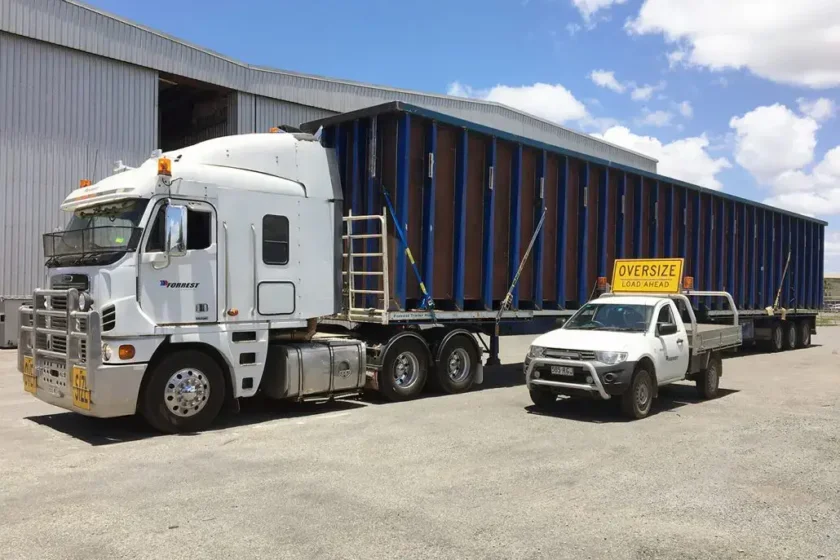
When it comes to oversized freight, you’re not just dealing with bigger loads. You’re navigating a regulated and complex environment that can be unforgiving if you get it wrong. Oversized and overmass loads require a completely different approach than standard transport jobs. Whether you are moving mining equipment, large industrial machinery, or portable buildings, there is a serious level of planning and compliance involved.
In Australia, an oversized load is defined as anything that exceeds the legal limits set by the Heavy Vehicle National Law (HVNL). This could be width, height, length, or weight. Go outside those boundaries and suddenly you’re subject to a long list of new rules. This includes needing the correct permits, vehicle escorts, detailed route planning, and specific operating conditions. Mistakes aren’t just expensive. They can result in job shutdowns, fines, and even a loss of licensing for carriers.
Each state may have its own additional rules layered over national regulations. That makes understanding the legal environment even more critical. If you’re not on top of all this, your freight might get stopped mid-journey, especially if it crosses state borders. The delays alone can cost thousands.
If your load is outside standard vehicle dimensions, it must be approved as an Oversize Overmass (OSOM) load. At that point, planning moves from being optional to being essential. Everything from the physical load dimensions, the vehicle type, the axle group weights, and the timing of transport must be documented and approved. Even weather conditions can impact whether a load can move safely and legally.
The Planning Blueprint for Oversized Loads
How to Plan Heavy Load Transport Without Delays or Compliance Issues
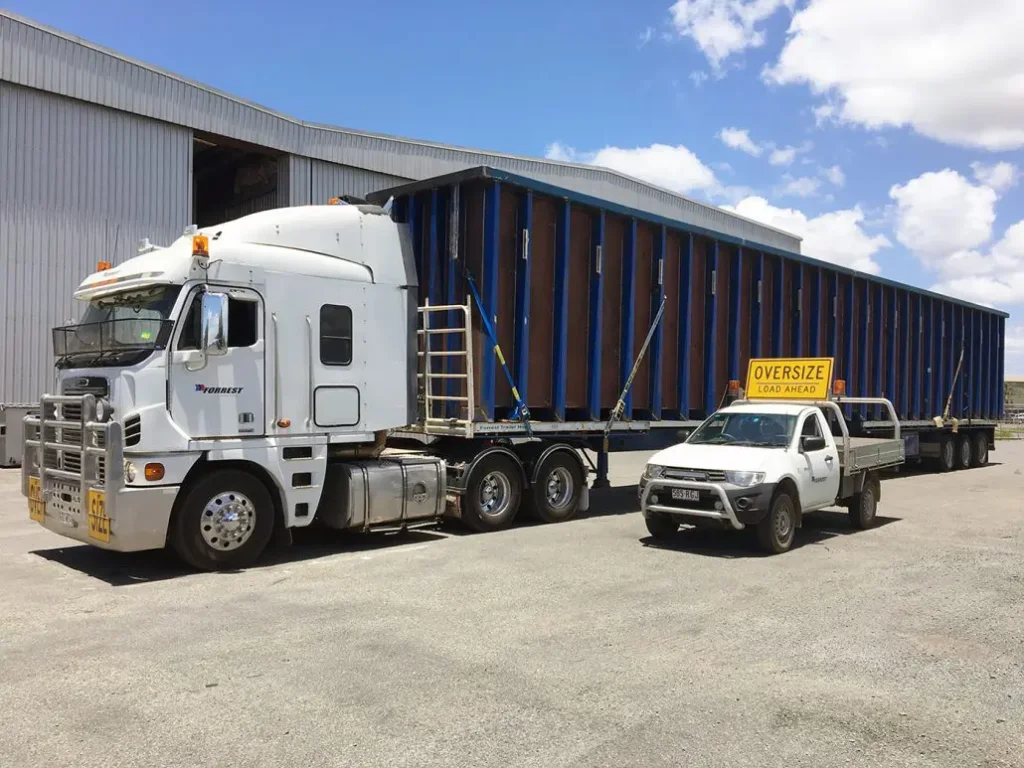
Oversized transport requires a playbook, not guesswork. Every successful heavy haulage move starts with accurate load data. The length, height, width, and weight must be exact. Carriers cannot apply for the right permits without this information. Guessing or rounding up is one of the fastest ways to see your application rejected.
The next step is route assessment. Not all roads are built for heavy or oversized traffic. Some routes have low-clearance bridges. Others have weight restrictions or tight turns that could be dangerous or outright illegal for wide loads. This means planning must involve not only Google Maps but tools approved by state transport agencies. These include the National Heavy Vehicle Regulator (NHVR) Route Planner, as well as state-specific guidance for Victoria, New South Wales, and Queensland.
Route approvals are only part of the puzzle. Depending on the size of the load, you may also need to schedule pilot vehicles. These escort vehicles warn other road users and help guide the load through traffic and intersections. There are even specific rules around when these escorts are required, how many you need, and how far ahead or behind they must travel. Failing to get this right can result in a transport job being cancelled or delayed at the last minute.
Permits can take time. In simple cases, you may be able to use a Class 1 permit. In more complex cases, particularly when moving through multiple states or with very large items, you may need a Performance Based Standards (PBS) approval or even a custom permit. These can take up to 28 days depending on workload and complexity. This is why last minute bookings are not an option.
Many project managers underestimate the documentation needed. Aside from transport permits, you may need to supply risk assessments, traffic control plans, or even engineering certificates for the load or trailer. If these documents are incomplete or outdated, your transport provider may decline the job, leaving your project in limbo.
The lesson is clear. Planning matters. Start early. Document everything. Work with experts. Make no assumptions.
The scale of Australia’s freight network highlights just how critical precise planning and compliance are for oversized moves. According to the latest data from the Australian Bureau of Infrastructure and Transport Research Economics, the national freight task reached an estimated 786 billion tonne-kilometres in 2024-25, driven by growth in road and rail transport across all major sectors. This illustrates not only the volume of goods moving around Australia but also the need for robust systems to manage complex loads safely and legally
Why ‘She’ll Be Right’ Is the Fast Track to Fines
Common Mistakes That Could Get Your Heavy Freight Pulled Over
The biggest risk in oversize transport is complacency. Many experienced professionals still fall into the trap of assuming their past moves are enough to get it right today. But regulations change. Road conditions change. Even the way permits are processed can evolve every year.
Let’s break down a few of the most common and costly mistakes in heavy freight.
First is using the wrong permit. There is no one-size-fits-all. A permit for a 3.5 meter wide load does not allow you to carry a 4.1 meter load. The difference might seem small, but regulators will not overlook it. Enforcement teams on the road can inspect and pull over loads that are non-compliant. In many cases, the load cannot continue moving until the correct permit is issued. That delay could add days and thousands to your timeline.
Second is underestimating the need for escort vehicles. These aren’t optional. If your load exceeds thresholds for width or length, pilot vehicles are legally required. If they are not present or not operating to regulation, you could be fined or even ordered to return to depot.
Third is using unverified carriers. Every transport provider operating in this space must carry appropriate insurance, licenses, and heavy vehicle accreditation. If your load is handled by a carrier without this verification, your freight may not be insured. Worse, if there is an incident on the road, the responsibility could fall on you as the shipper.
Fourth is route planning failures. Simply copying a route from Google Maps does not work for oversize loads. The proper authorities must review the proposed path. If your transport is halted at a low bridge or restricted road, you may have no legal way to continue. This happens more often than many believe.
Fifth is load configuration. This includes how the freight is secured and how weight is distributed. A compliant vehicle still needs a compliant load. Axle weights that exceed limits can lead to immediate defect notices or legal action. Proper restraint systems must be used, and tie-downs must match the load type.
Finally, timing matters. Many areas restrict heavy freight to certain hours of the day or night. If your move begins at the wrong time, you may violate curfews or traffic control regulations.
Avoid these pitfalls by using qualified carriers, applying for correct permits, and checking every detail before wheels move.
Take the Guesswork Out of Oversized Transport
Simplify Freight Planning with LoadLink Australia
Oversized freight doesn’t have to be overwhelming. The reason most heavy moves go wrong is because planning is rushed, compliance is overlooked, and the wrong transport provider is chosen.
That’s why LoadLink exists. Our platform is designed to take the stress and risk out of complex freight. We connect shippers with verified heavy haulage carriers across Australia. Every transport provider on our network meets our strict standards for licensing, insurance, and experience.
Using LoadLink is easy. Just post your job. Include your freight details, timing, and destination. Our system then alerts carriers who match your needs. You receive quotes directly from qualified operators, review their profiles, and choose the best partner for your job.
No brokers. No hidden commissions. No delays waiting for someone to call you back.
We also support direct communication. Once matched, you and the carrier can speak directly to finalise details. You stay in control, and you get full transparency.
We use secure payment processing with funds held in escrow until delivery is confirmed. This protects both shippers and carriers and removes uncertainty from the transaction.
Our system also helps reduce empty-leg travel, allowing carriers to maximise their routes and offer competitive pricing. That’s better for the environment, better for transport efficiency, and better for your budget.
LoadLink has nationwide coverage, from Sydney to Perth, Brisbane to Adelaide, and even remote regional jobs. Whether you are moving a single piece of machinery or managing a large infrastructure delivery, we have the network to support it.
If you are tired of surprises, miscommunications, or delays, it is time to try a smarter way.
FAQs: Oversized Freight in Australia and Using LoadLink
What counts as oversized freight in Australia?
Oversized freight is any load that exceeds the legal limits for width, height, length, or weight under the Heavy Vehicle National Law (HVNL). If your freight is over these limits, it will usually fall under Oversize Overmass (OSOM) requirements and needs extra approvals and operating conditions.
Do oversized loads always need permits?
In most cases, yes. Once a load exceeds legal dimensions or mass limits, permits are commonly required. The permit type depends on the load dimensions, mass, route, and the states involved.
Can the carrier organise permits and escort vehicles for me?
Yes. Many heavy haulage carriers can handle permits, route planning, and pilot or escort vehicles as part of their service. When you post your job, include accurate dimensions and ask carriers to include permits and escorts in their quote.
How long do permits take to approve?
Timeframes vary by load complexity, route, and agency workload. Some permits can be approved quickly, while complex multi-state moves or specialist approvals can take longer. The safest approach is to plan early and avoid last minute bookings.
Why is route planning such a big deal for OSOM transport?
Because standard navigation tools do not account for low bridges, tight turns, restricted roads, axle limits, curfews, or approved heavy vehicle routes. Poor route planning can lead to shutdowns, delays, or fines if the load is stopped mid-journey.
What details do I need before I post an oversized freight job?
You should have the exact load length, width, height, and weight, plus pickup and delivery locations, preferred timing, and any special requirements such as crane loading, tilt tray needs, or fragile equipment handling. Accurate measurements help carriers quote properly and apply for the right permits.
Is LoadLink free for shippers to use?
Yes. Shippers can post loads and receive quotes for free. LoadLink earns revenue from carrier subscriptions rather than taking commissions from your freight cost.
How do I know the carrier is qualified and insured?
LoadLink verifies carriers before they can bid, including checks for insurance, licences, operating authority, and suitable equipment. You can review carrier profiles and speak with them directly before accepting a quote.
Is payment secure?
Yes. Payments are processed securely, with funds held in escrow and released to the carrier once delivery is confirmed. This protects both parties and reduces payment risk on high value moves.
Let’s Move It Right — With LoadLink
Don’t let paperwork, permits, or planning errors ruin your next project. With LoadLink, you gain access to a powerful, simple, and compliant freight marketplace. One where every carrier is verified. One where every job is transparent. One where you are in control.
Call 07 5518 8894 or visit https://www.loadlinkconnect.com.au/contact-us/ to book your heavy load with confidence. Because moving heavy shouldn’t be hard. It should be LoadLink.