Digital Freight PlatformsFreight Cost ComparisonFreight MarketplacesFreight SolutionsFreight Technology

Small businesses across Australia often start their shipping journey with Sendle. It’s familiar, simple and just works. But as volumes grow and freight gets more complex, many owners start asking the same question: Sendle vs other courier services in Australia — is Sendle still the best option for where the business is now?
This guide breaks down where Sendle shines, where it starts to struggle, and how a freight marketplace like Loadlink can slot in alongside (or ahead of) your current setup without blowing up your operations.
Sendle vs “Everyone Else”: What Aussie Businesses Are Really Comparing
Why Small Businesses Fall in Love with Sendle First
For a lot of micro and small businesses, Sendle is the first “courier relationship” because it removes friction: easy signup, quick labels, and you can ship a standard parcel without talking to sales reps.
If you’re sending:
- Lightweight parcels
- Mainly metro-to-metro
- A predictable volume of orders
…then Sendle can feel like a breath of fresh air compared to queueing at the post office or dealing with complex business courier accounts.
The Gaps You Start Noticing as Your Shipping Grows
Fast-forward 6–18 months. Orders get bigger, cartons get heavier, and the delivery footprint expands. That’s when a parcel-first courier platform can start to feel limiting — especially when you’re shipping:
- Larger orders and bulkier cartons
- Occasional pallets to stockists or warehouses
- More orders into regional and rural Australia
At this point, the question isn’t “Sendle or someone else?” It’s: Where does Sendle still make sense, and where do I need other options?
Sendle vs Other Courier Services in Australia: Side-by-Side Comparison
Below is a practical comparison across three common models Aussie businesses consider: parcel couriers like Sendle, traditional couriers (including big networks), and freight marketplaces like Loadlink.
| What you’re comparing | Sendle (parcel-first) | Traditional couriers | Freight marketplaces (e.g., Loadlink) |
|---|---|---|---|
| Best for | Small–medium parcels, metro lanes | Parcels + some freight lanes (often account-based) | Pallets, bulky freight, machinery, regional runs |
| Pricing style | Simple parcel pricing / label-based | Rate cards, contracts, negotiated accounts | Multiple carrier quotes competing for your load |
| Carrier choice | Limited visibility/control | Usually single network per provider | You choose from multiple verified operators |
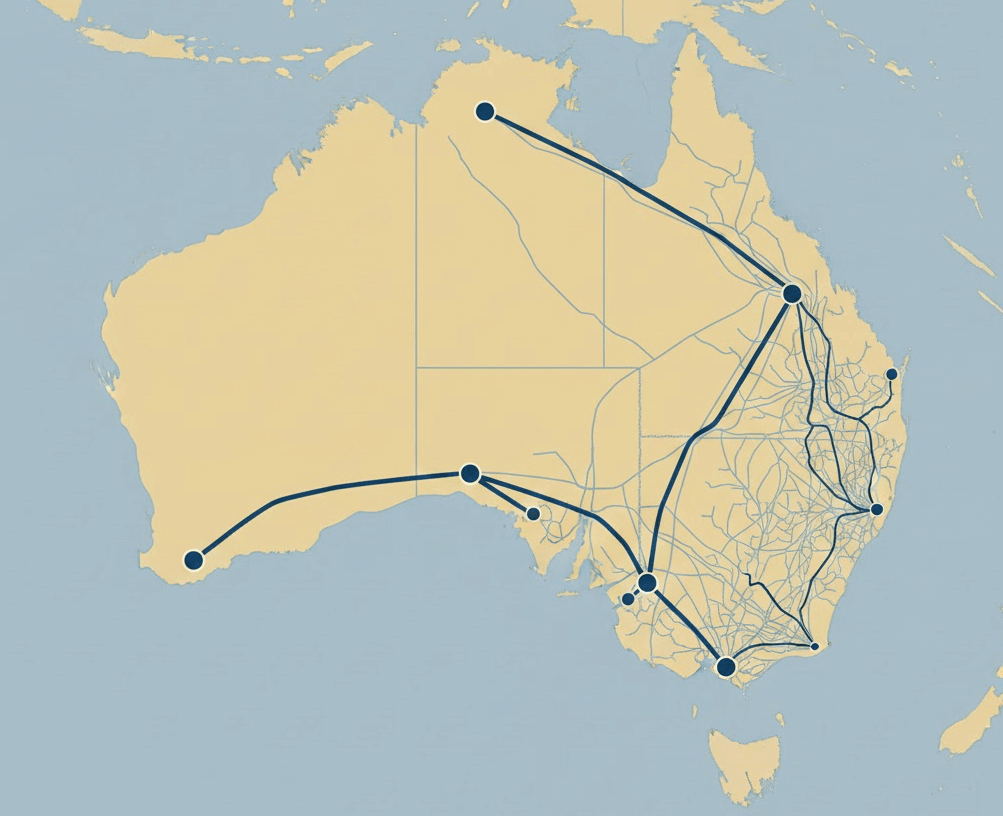
| Regional/rural performance | Can vary; often parcel-network dependent | Varies by carrier and route coverage | Strong when carriers already run those routes |
| Freight types (pallets/oversized) | Not the sweet spot | Possible, but can require setup/admin | Designed for freight beyond parcels |
| How it scales with growth | Great early; limits appear as freight grows | Strong if you negotiate and manage accounts | Scales by expanding carrier options and load types |

Sendle vs Traditional Couriers: Australia Post and the Big Names
Traditional carriers are usually the first stop when businesses compare Sendle vs other courier services in Australia. These include Australia Post business services, established courier brands, and national or state-based transport companies.
Pros:
- Strong brand recognition and trust
- Established networks across the country
- Business accounts with negotiated rates (at volume)
Cons (especially for smaller shippers):
- More admin: account setup, terms, minimums
- Less flexibility for odd-shaped or ad-hoc freight
- Rate structures that often favour bigger shippers
Sendle vs Aggregator Platforms: Booking Labels vs Building a Freight Strategy
Aggregator platforms compare rates from multiple couriers and let you buy labels. They’re excellent for improving parcel efficiency, but they still largely operate in a label-first world — not a freight strategy world.
If your problems involve pallets, bulky consignments, vehicles, site deliveries, or non-standard access, a parcel-focused aggregator can still leave you stuck using the wrong model for the job.
Where a Freight Marketplace Like Loadlink Fits
This is where Loadlink becomes a different kind of “other courier service.” Instead of one courier (or a list of parcel labels), a freight marketplace connects you to a network of transport operators who can quote on freight properly.
With a marketplace approach, you can use a freight exchange platform model to:
- Connect directly with verified transport operators
- Receive multiple quotes for the same job
- Choose based on price, timing, equipment, and fit
- Handle pallets, bulk loads, machinery, vehicles, and more
How to Choose Between Sendle and Other Courier Services (Without Guesswork)
Price, Coverage, Freight Type: Your Three Decision Levers
Forget hype. The right choice usually comes down to three levers:
- Price: parcels vs bulky/heavy loads behave very differently on “simple” pricing
- Coverage: metro-heavy shipping is easier than regional/rural freight
- Freight type: boxes are one world; pallets and equipment are another
If your business is shipping interstate freight between major cities or pushing beyond parcels, a freight marketplace model can be a better fit than trying to force everything through a courier label tool.
A Simple Checklist to See If You Need More Than Sendle
- You’ve turned down orders because the freight was “too hard” to send via Sendle
- You’re splitting orders into multiple boxes to avoid weight/size limits
- Regional customers complain about delays or limited options
- You’ve started moving pallets, bulk loads, or anything that needs a truck
- You’re spending too much time firefighting shipping issues
If that sounds familiar, the answer usually isn’t “quit Sendle.” It’s: keep Sendle where it works, and add a freight option for everything else.
A Low-Risk Way to Test Alternatives to Sendle
Keep Sendle, Add Options
Smart operators rarely switch everything overnight. A safer move is to keep Sendle for standard parcels — and add Loadlink for pallets, heavier freight, or regional deliveries where parcel networks become expensive or unreliable.
Trial Run: Use Loadlink for the Jobs Sendle Struggles With
- Pick a test load (pallet, heavy consignment, or regional delivery)
- Create a Loadlink shipper account
- Post your load with dimensions, weight, timing and requirements
- Compare quotes based on price and fit
- Run both systems in parallel for a month
- Review cost, delivery performance, and customer feedback
If you want help planning your shipping mix, you can contact our team to plan your freight mix or call 07 5518 8894.
Sendle vs Other Courier Services in Australia: Build a Toolkit, Not a One-Tool Habit
When you’re weighing Sendle vs other courier services in Australia, remember: you’re not choosing a life partner — you’re building a toolkit. Sendle can be perfect for small parcels. But as freight evolves, you deserve options that evolve with you.
If you want a broader overview of options, see our guide on best Sendle alternatives for small businesses.
Ready to test your next pallet, heavy shipment or regional delivery? Call 07 5518 8894 or Contact Us to get started.