Tips & Advice
Bulk loads shouldn’t mean bulk problems.
If you’re in earthworks or logistics, you know the pain. Chasing down trucks. Relying on outdated call sheets. Losing hours waiting for a job to confirm. Whether you’re moving sand, gravel, soil, or grain, the stakes are high and the margins are thin.
But what if there was a way to simplify bulk transport without adding more admin?
Tipper haulage tools and modern freight-matching platforms are now changing the game for firms across Australia. These tools don’t just promise better efficiency, they deliver measurable improvements to your freight workflow, your budgeting process, and your operational control.
This article unpacks how forward-thinking contractors, earthworks teams, and logistics managers are using smarter solutions to overcome bottlenecks, reduce delays, and take control of their transport planning.
Bulk Loads No Bottlenecks The Tipper Truck Advantage
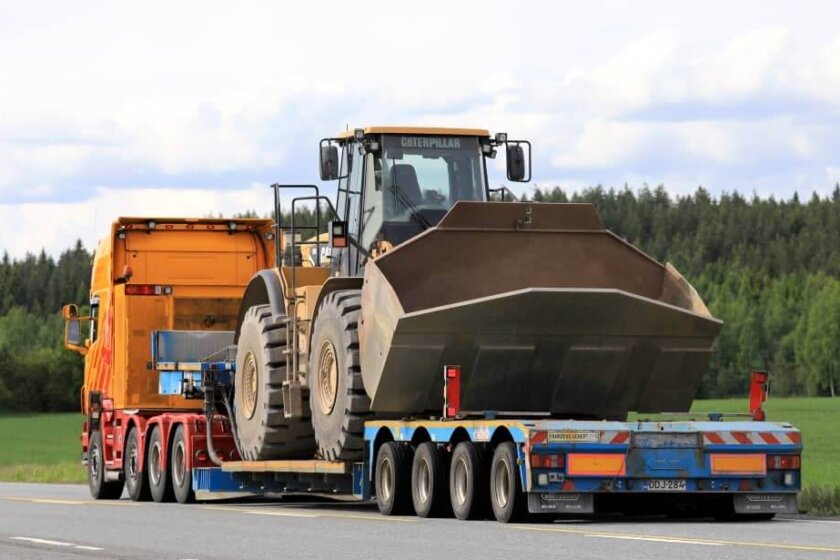
Tipper trucks have always been a staple in heavy-duty transport. Their ability to carry and unload large volumes of material quickly makes them the preferred option for moving bulk goods. But while the vehicles themselves are reliable, the way they’re managed has often been anything but.
Traditionally, booking a tipper truck meant making phone calls to a handful of contacts, chasing availability, and crossing your fingers that the truck would show up on time. If something went wrong, there were few options and even fewer insights.
This system isn’t just outdated. It’s risky. Uncoordinated freight leads to idle time, site congestion, and cascading project delays.
According to the Australian Government’s Bureau of Infrastructure and Transport Research Economics, road freight transport reached a record 84 billion tonne-kilometres in 2022–23. This scale highlights how critical efficient scheduling and reliable haulage tools are for reducing delays and keeping bulk transport operations moving smoothly.
That’s why more firms are turning to smart bulk transport platforms. Instead of relying on a patchwork of contacts and manual processes, these platforms connect shippers directly with verified carriers through a streamlined digital interface.
A good platform allows shippers to post a job, specify requirements, and instantly reach a national network of operators with suitable equipment. Carriers can then submit quotes based on real availability, not guesswork.
The result is a faster, more transparent process where both parties have better control, clearer expectations, and reduced administrative load.
How Smart Tools Are Reshaping Efficient Haulage
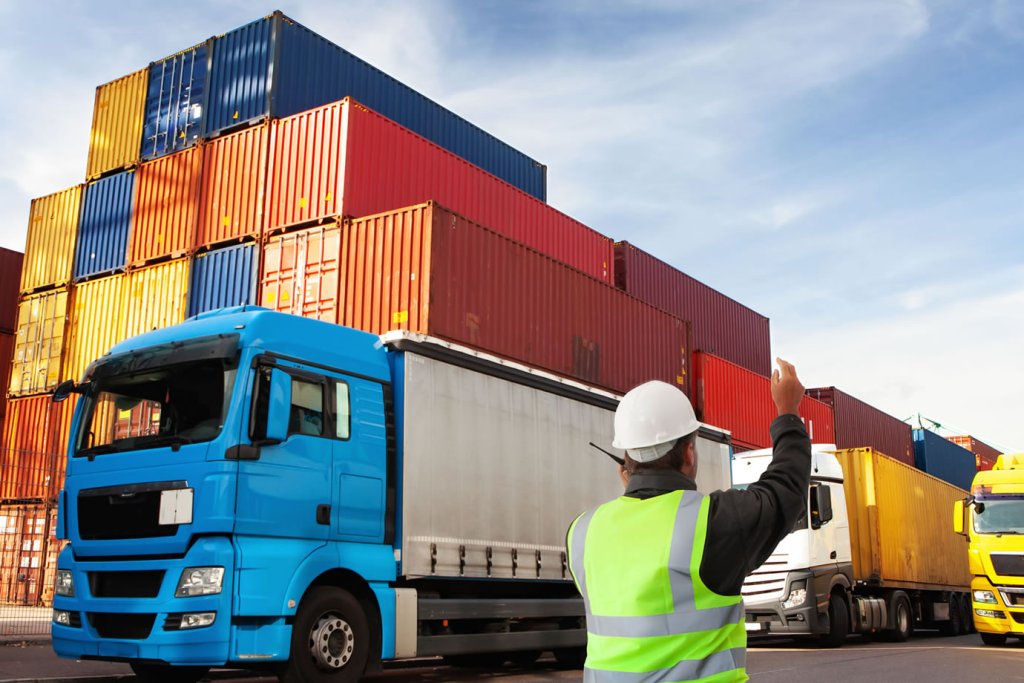
Efficiency is not just a buzzword in freight. It’s the difference between profit and loss, especially when you’re dealing with high-volume, time-sensitive loads.
Manual haulage booking involves constant back and forth. It creates stress, miscommunication, and often, rework. Worse still, it leaves little room for scale. As projects grow, so do the inefficiencies.
Digital tools designed for tipper haulage eliminate these friction points. With automated matching, real-time dashboards, and built-in communication tools, the entire freight workflow becomes smoother and more predictable.
Here are a few of the real-world benefits that these tools offer:
Automated load matching means the platform uses load specifications and available equipment data to match jobs with carriers instantly. There’s no need to wait hours for callbacks or confirmations.
Verified carriers only. Every operator in the system is vetted. That includes business legitimacy, licenses, and insurance. This reduces the risk of non-compliant trucks showing up on site.
Escrow payment systems protect both sides. When a job is confirmed, the shipper’s payment is held securely and only released once delivery is complete. This removes the risk of payment disputes or incomplete work.
Live dashboards allow shippers to monitor each job from pickup to drop-off. Delays are flagged early. Progress can be shared with internal teams or clients in real time.
These features combine to create a logistics workflow that isn’t just more efficient, but also more resilient. With better visibility and control, you can manage more jobs with fewer headaches.
Bulk Transport Done Right Avoid These Costly Mistakes
The biggest threat to your haulage efficiency often comes from the system you’re using. Outdated methods and assumptions can derail even the most straightforward transport job.
Here are some of the most common mistakes that earthworks firms and freight managers make when handling bulk transport:
Assuming availability. Just because a carrier was free last week doesn’t mean they are today. Without a system that reflects real-time availability, you’re always guessing.
Using verbal quotes. When prices or delivery expectations are agreed to informally, it leaves room for miscommunication. A written, confirmed quote provides accountability.
Skipping verification. Working with unverified carriers introduces risk. Not just operational, but legal and financial as well. One accident or delay caused by an unlicensed truck can become a costly liability.
Lack of tracking. If you don’t know where your load is or when it’s arriving, you can’t manage your downstream work. Site crews end up waiting. Equipment sits idle. Projects overrun.
Every one of these problems can be addressed by switching to a smart freight platform built specifically for bulk haulage. These systems provide not only better matching but also more robust record-keeping, better communication tools, and live job tracking.
Another key benefit is auditability. Because all actions happen inside the platform, you have a full record of quotes, communications, and delivery confirmations. This is invaluable when resolving disputes or assessing performance over time.
Smart Freight Management Is Now a Competitive Advantage
For years, the freight and logistics space has lagged behind other industries in digital adoption. While sectors like finance and retail embraced automation and AI, freight remained manual, localised, and opaque.
That’s changing rapidly. With the rise of purpose-built platforms like LoadLink Australia, the freight industry is finally catching up. And the companies that adopt these tools first are gaining a clear edge.
Imagine being able to quote faster, schedule more accurately, and resolve delivery questions instantly. Now imagine doing all of this without hiring more admin staff or chasing suppliers every morning.
Smart freight management is not about removing people from the equation. It’s about giving them better tools. Project managers get clarity. Carriers get consistency. Finance teams get traceability. Everyone wins.
Platforms that specialise in bulk transport understand the real-world needs of the industry. That means features like support for different load types, regional route availability, and tipper-specific workflows are already built in.
Whether you’re dealing with a one-off soil delivery or coordinating 20 trucks over a 10-day excavation job, the tools you use matter.
How LoadLink Australia Makes Bulk Haulage Simpler
LoadLink is a national freight marketplace designed with real-world haulage in mind. Built by transport operators for transport operators, it focuses on connecting verified carriers with shippers that need freight moved now, not next week.
What sets LoadLink apart from other platforms is its dedication to direct negotiation and zero commission. Shippers post loads for free. Carriers pay a simple subscription to access and quote on jobs. That means pricing stays competitive and transparent.
The platform includes every feature a bulk freight operator could want:
Australia-wide reach, including rural and remote corridors
Specialised categories for bulk tipper transport, container loads, liquid tankers, and agricultural freight
Smart matching tools that link available trucks to job listings instantly
Live dashboards with GPS tracking and milestone notifications
Escrow payment systems that protect both shippers and carriers
Around-the-clock Australian customer support
With LoadLink, you’re not just accessing a load board. You’re plugging into a full-service freight ecosystem that helps you move faster, book smarter, and scale without friction.
What People Often Ask Before Booking Bulk Haulage
How does LoadLink work for bulk freight?
Shippers create a free account and post their job details. Carriers get notified of new loads and submit bids. Shippers then select the carrier they want to work with and manage the job inside the platform.
Is LoadLink suitable for regional or remote jobs?
Yes. The platform was built for full national coverage. Whether you’re working in Perth, regional NSW, or Far North Queensland, you can find verified carriers serving your route.
What kind of freight can I move?
LoadLink supports a wide range of freight types, including sand, gravel, soil, hay, livestock, grain, heavy machinery, and more. If it fits on a truck, there’s likely a category and carrier for it.
Are the carriers verified?
Every carrier must pass a verification process that includes checking licenses, insurance, and safety credentials. Only compliant operators can quote on jobs.
Do I need to pay to post a job?
No. Shippers can list loads for free. There are no commissions or hidden booking fees. Carriers pay a subscription fee to access jobs and submit quotes.
Take Control of Your Bulk Freight with LoadLink
Managing bulk transport doesn’t have to be messy, time-consuming, or stressful.
With LoadLink Australia, you gain instant access to a national network of verified tipper truck operators. You post the job, get matched automatically, receive quotes fast, and monitor everything from your dashboard.
No middlemen. No delays. No missed connections.
If you’re ready to cut admin, improve turnaround times, and move freight like a pro, the next step is simple.
Call 07 5518 8894 or visit loadlinkconnect.com.au/contact-us to get started.
LoadLink. Welcome to the future of Australian haulage.