Freight Solutions
In a country as vast and logistically challenging as Australia, one of the biggest inefficiencies in freight transport is empty trucks looking for loads. Whether heading back from a delivery or relocating to a new route, trucks running empty cost the industry time, money, and fuel. Freight exchange platforms are helping address this silent but significant problem that affects everyone from owner-operators to large freight companies.
The solution? Freight exchanges. These digital platforms have become the go-to method for connecting empty trucks to general freight, helping drivers maximise their haulage capacity while reducing overheads and unnecessary trips.
What Is a Freight Exchange?
A freight exchange is an online marketplace where freight owners and transport providers come together. These platforms allow businesses that need to move goods to find available transport providers, especially those who are operating with empty or partially loaded trucks. In Australia, these exchanges are gaining traction as the demand for more efficient logistics grows.
For example, a grain transport company in regional NSW might have delivered a load to Melbourne. Rather than sending the truck back empty, the driver can use a freight exchange to find a general freight load heading back north. This makes the trip more profitable and reduces the number of vehicles unnecessarily on the road.
The Growing Problem of Empty Trucks in Australia
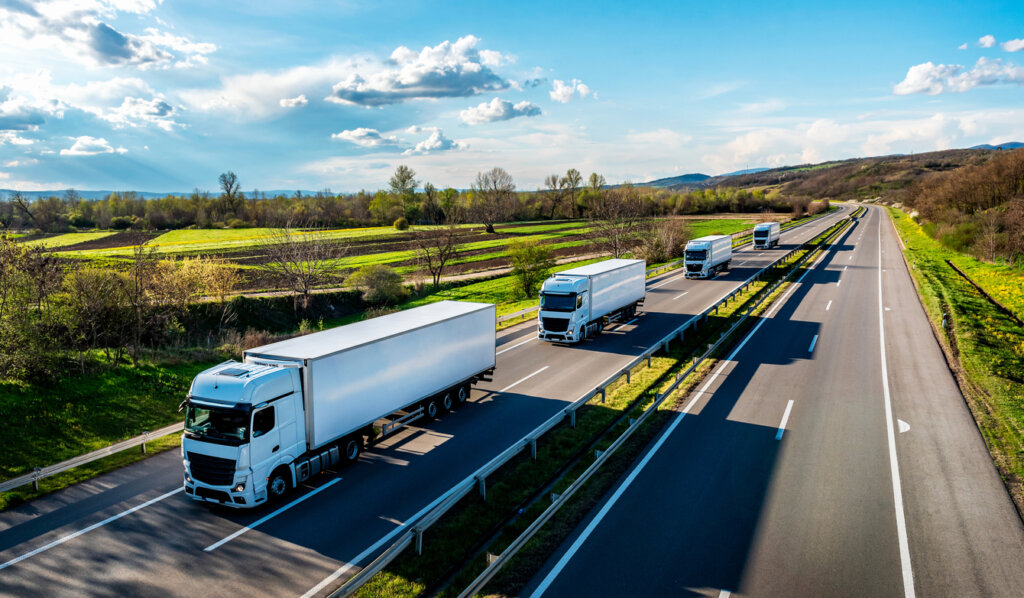
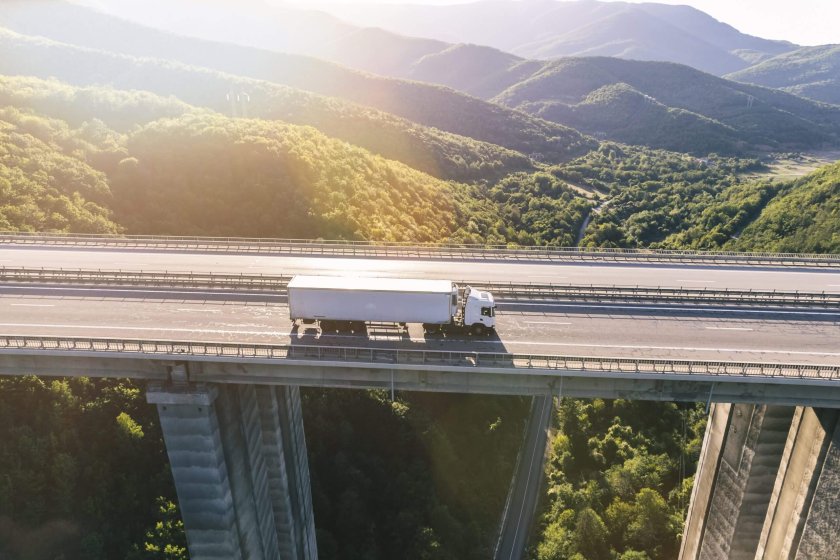
Across Australia, thousands of trucks travel empty every day. This can be due to one-way freight contracts, lack of return clients, or poor communication between businesses and freight operators. In some regions, particularly in rural and agricultural zones, it’s common for trucks to carry grain one way and return with no backload.
The impact is more than just financial. Empty trucks increase fuel usage per tonne-kilometre, raise emissions, and contribute to road congestion. With the transport sector under pressure to reduce its carbon footprint, finding ways to cut back on empty trips is not only smart business but a sustainable choice.
How Freight Exchanges Connect the Dots
By registering on a freight exchange, operators list their available vehicles, destinations, and timeframes. Shippers post available loads with details such as weight, dimensions, pick-up and drop-off locations, and preferred timing. When there’s a match, both parties are notified instantly.
For general freight, this means faster delivery and access to more transport providers, even in remote locations. For transporters, it’s a direct line to new clients and the ability to book return loads without hours of cold calling or waiting.
Across Australia, thousands of trucks travel empty every day. This can be due to one-way freight contracts, lack of return clients, or poor communication between businesses and freight operators. According to the Bureau of Infrastructure and Transport Research Economics (BITRE), detailed freight movement data highlights the ongoing challenges of balancing load efficiency across the country.
General Freight and Grain Transport: A Strong Use Case
General freight, covering everything from construction materials to consumer goods, often moves along well-travelled corridors. Trucks that have delivered grain from inland farms to ports or processing facilities can tap into freight exchanges to find backloads of general freight heading inland.
Grain transport companies in particular stand to benefit. Rather than returning from a delivery point empty, they can use these platforms to identify time-sensitive loads like building supplies, pallets, or even retail inventory. It’s a win-win for farmers, logistics operators, and businesses waiting for goods.
Benefits of Using Freight Exchanges in Australia
- Reduced Operating Costs: Fewer empty runs mean better fuel economy, lower vehicle wear and tear, and improved profit margins.
- Increased Job Opportunities: Especially useful for owner-operators who rely on continuous loads to stay competitive.
- Real-Time Access: Immediate access to available loads, helping avoid downtime.
- Sustainability Gains: More efficient trips mean reduced CO2 emissions and more responsible road usage.
- Wider Reach: Operators gain exposure to new clients and routes they might not have tapped into before.
Choosing the Right Freight Exchange Platform
Not all platforms are created equal. Here’s what to look for:
- User Base: More users mean more load and truck options.
- Verification Process: Trustworthy platforms vet shippers and carriers.
- Mobile Accessibility: Drivers need platforms they can access on the go.
- Real-Time Matching: Automated alerts for new load or truck listings.
- Support Services: Some platforms offer payment handling, insurance options, and contract templates.
Tips for Getting the Most Out of Freight Exchange Platforms
- Keep Your Listings Updated: Accurate timing, locations, and capacity details improve your chances of a match.
- Communicate Clearly: Build your reputation by being responsive and transparent.
- Plan Around Peak Seasons: Agricultural harvests or holiday periods can create load surges. Use this knowledge to your advantage.
- Track Your Metrics: Know your fill rates, trip profitability, and average wait time between loads to refine your strategy.
Voices from the Road
Many owner-drivers report significant improvements in their daily operations since adopting freight exchange platforms. One Queensland-based operator mentioned how it cut his empty return trips by 60% in under three months.
“Before using the exchange, I’d lose money going home with an empty trailer. Now I usually get matched with something useful — even if it’s not my usual cargo, it still pays.”
The Road Ahead for Australian Freight
As the industry evolves, so too must its tools. Freight exchanges aren’t just digital noticeboards anymore — they are sophisticated ecosystems that use AI, machine learning, and user-generated data to predict availability, optimise routes, and streamline communication.
Australia’s geography demands smart solutions, especially in freight. Whether you’re moving grain from Dubbo, general freight from Brisbane, or chasing contracts in remote regions, freight exchange platforms offer a flexible, scalable way to stay competitive.
Final Thoughts
Freight exchange platforms in Australia have become essential tools for reducing the inefficiencies of empty trucks looking for loads. They empower general freight operators, grain transport companies, and independent truckers alike to move smarter, earn more, and reduce their environmental impact.
If you’re in the freight game and still relying on outdated methods to find your next load, it might be time to shift gears.
Start using LoadLink, one of Australia’s leading freight exchange platforms, and make every kilometre count.
Contact us to find the right solution for your freight needs.
FAQs
Q: Are freight exchanges only for large trucking companies?
A: No, they’re widely used by small businesses and owner-operators as well.
Q: Can I use freight exchanges for grain and agricultural loads?
A: Absolutely. Many exchanges cater to specialised industries, including grain transport.
Q: Do I need special software to use a freight exchange?
A: Most platforms are web-based and mobile-friendly, requiring no specialised tools.
Q: How much does it cost to join a freight exchange?
A: Some are free, while others operate on subscription or commission-based models.
Q: Is my information safe on these platforms?
A: Reputable freight exchanges have strong data privacy and user verification protocols in place.