Freight SolutionsTips & Advice
What is a Pallet?
A pallet is a flat, horizontal platform used to support and transport goods, making handling, storage, and shipping more effective.
It serves as a stable base that allows forklifts, pallet jacks, and conveyors to lift and move shipments easily.
The process of shipping products using pallets is known as palletised freight, a widely adopted method across industries due to its effectiveness, safety, and cost efficiency.
Using pallets offers numerous advantages, including reduced product damage, faster handling times, and better use of space.
Businesses should make sure they select pallets that are sufficiently strong to carry the weight of their goods while also being large enough to prevent spillage or load instability.
Many companies prefer four-way entry pallets, as these allow forklifts and pallet jacks to access the pallet from all sides.
This design makes handling easier and reduces the risk of damage during transportation.
Pallets are available in various sizes and dimensions, with the choice depending on the specific requirements of the freight being transported.
Why is Palletised Freight Important in Australia?
Palletised-freight plays a key role in modern supply chains, ensuring that goods are transported safely and effectively.
Whether used in warehouses, distribution centres, or retail environments, pallets help streamline logistics and reduce manual labour.
Key benefits of using pallets for freight shipping include:
- Effectiveness: Palletised goods can be moved in bulk, reducing loading and unloading times.
- Protection: Items are securely stacked, reducing the risk of damage during transit.
- Better Use of Space: Pallets allow for more organised storage, making better use of available space.
- Cost Efficiency: Palletised-freight reduces handling costs and speeds up logistics processes.
- Compatibility: Standard pallet sizes ensure compatibility with various transport modes, including trucks, ships, and air freight.
Different Types of Pallets
Pallets come in different materials, designs, and load capacities.
The right choice depends on the nature of the goods being transported, budget considerations, and environmental factors.
Wooden Pallets
Wooden pallets are the most commonly used pallets in freight shipping due to their affordability, durability, and recyclability.
They are available in different wood types, including softwood (such as pine and spruce) and hardwood (such as oak and maple).
Advantages of Wooden Pallets:
- Cost-effective compared to other pallet types.
- Reusable and repairable, extending their lifespan.
- Customisable sizes and designs available.
- High weight-bearing capacity.
Disadvantages of Wooden Pallets:
- Prone to splintering, requiring maintenance.
- Can absorb moisture, potentially leading to mould or weakening.
- Heavier than plastic pallets.
Metal Pallets
Metal pallets, typically made of steel or aluminium, offer exceptional durability and are ideal for heavy-duty applications.
They are resistant to moisture, insect infestations, and harsh environmental conditions.
Advantages of Metal Pallets:
- Extremely durable, with a long lifespan.
- Resistant to moisture, mould, and pests.
- Can support very heavy loads.
- Ideal for industries requiring high cleanliness requirements (e.g., pharmaceuticals).
Disadvantages of Metal Pallets:
- More expensive than wood and plastic alternatives.
- Heavier, which can increase transportation costs.
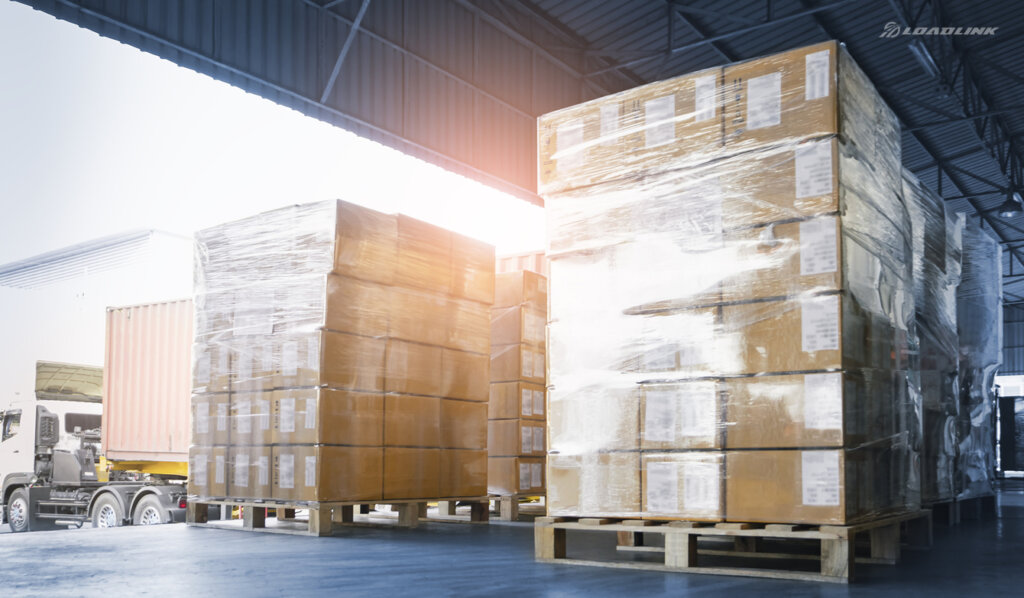
Transport Palletised Freight in Australia
Pallets play a fundamental role in modern logistics, helping to transport goods safely and manage handling processes more smoothly. Whether made of wood, metal, or other materials, they provide a stable base that enhances storage, reduces product damage, and speeds up shipping. Selecting the right pallet type depends on the nature of the goods, durability requirements, and cost considerations. Businesses that incorporate pallet-based shipping benefit from more organised logistics, reduced handling times, and stronger load stability.
Frequently Asked Questions
What are standard pallet sizes in Australia?
In Australia, the most common pallet size is the Australian standard pallet (1165mm x 1165mm). It is widely used across warehouses, retail, and freight transport due to its compatibility with local racking systems. Other pallets, such as the ISO standard (1200mm x 1000mm), are also used, but the 1165mm x 1165mm size remains the industry standard.
How long do wooden pallets last?
The lifespan of a wooden pallet depends on usage and maintenance. A well-maintained pallet can last several years, especially if repaired when minor damage occurs.
Are plastic pallets preferable to wooden pallets?
Plastic pallets offer advantages such as resistance to moisture and pests, making them suitable for industries with strict hygiene requirements. However, they are typically more expensive than wooden pallets. The best choice depends on specific shipping and storage needs.
Can pallets be reused?
Yes, many pallets are designed for reuse. Wooden pallets can be repaired and repurposed, while metal and plastic pallets have long lifespans, making them suitable for multiple shipping cycles.